



Advocacy
CAF partners with various agencies to advocate for policies that benefit communities. Together, we work on issues like housing, environmental health, food security, and financial empowerment, ensuring that families' needs are heard and addressed. By local, state and Federal law makers.
Massachusetts
HOUSING
UPHPA Bill # S1239
- Status: In Process
- View more: Legislation – S1239
The Uniform Partition of Heirs Property Act (UPHPA), protects families from losing inherited property through forced sales, which are often exploited by speculators. When multiple heirs inherit property without a will, the law currently allows any heir to force a sale, even against the wishes of the rest. This bill ensures fairer outcomes by allowing family members to buy out co-owners seeking a sale, requiring court-ordered appraisals and open-market sales rather than undervalued auctions, and prioritizing the division of property when possible. UPHPA helps preserve generational wealth, especially in communities of color and rural areas, and has already been adopted in over 20 states. Read more.
Maryland
ENVIROMENTAL HEALTH
On-Farm Organics and Wasted Food Reduction and Diversion Grant Programs
Bill Number: HB0429 / SB0599
- Status: Approved
- View more: Legislation – SB0599
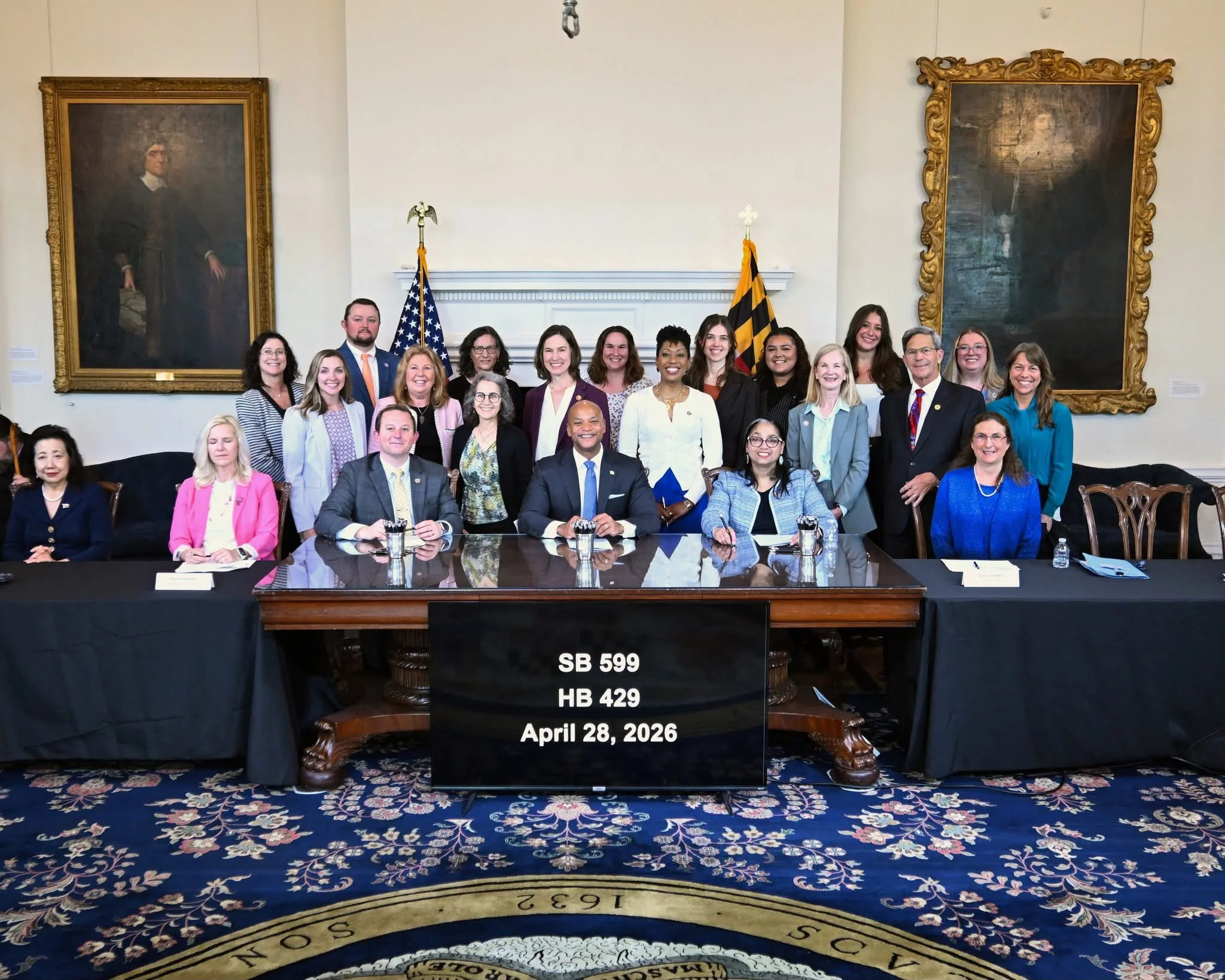
CAF proudly supported advocacy efforts for the passage of Maryland’s On-Farm Organics and Wasted Food Reduction and Diversion Grant Programs (HB0429/SB0599), which take effect on October 1, 2026. This landmark legislation advances the state’s commitment to reducing food waste, lowering greenhouse gas emissions, supporting Maryland farmers, and strengthening food security by establishing three targeted grant programs. Through collaboration with partners and policymakers, CAF continues to advocate for environmental policies that promote sustainable communities and protect Maryland’s natural resources. Read more.
CHERISH Our Communities Act
MDE Bill: HB1268 / SB0781 | PSC Bill: HB1287 / SB0780
- Status: Failed
- View more: Legislation – HB1268
- .PDF

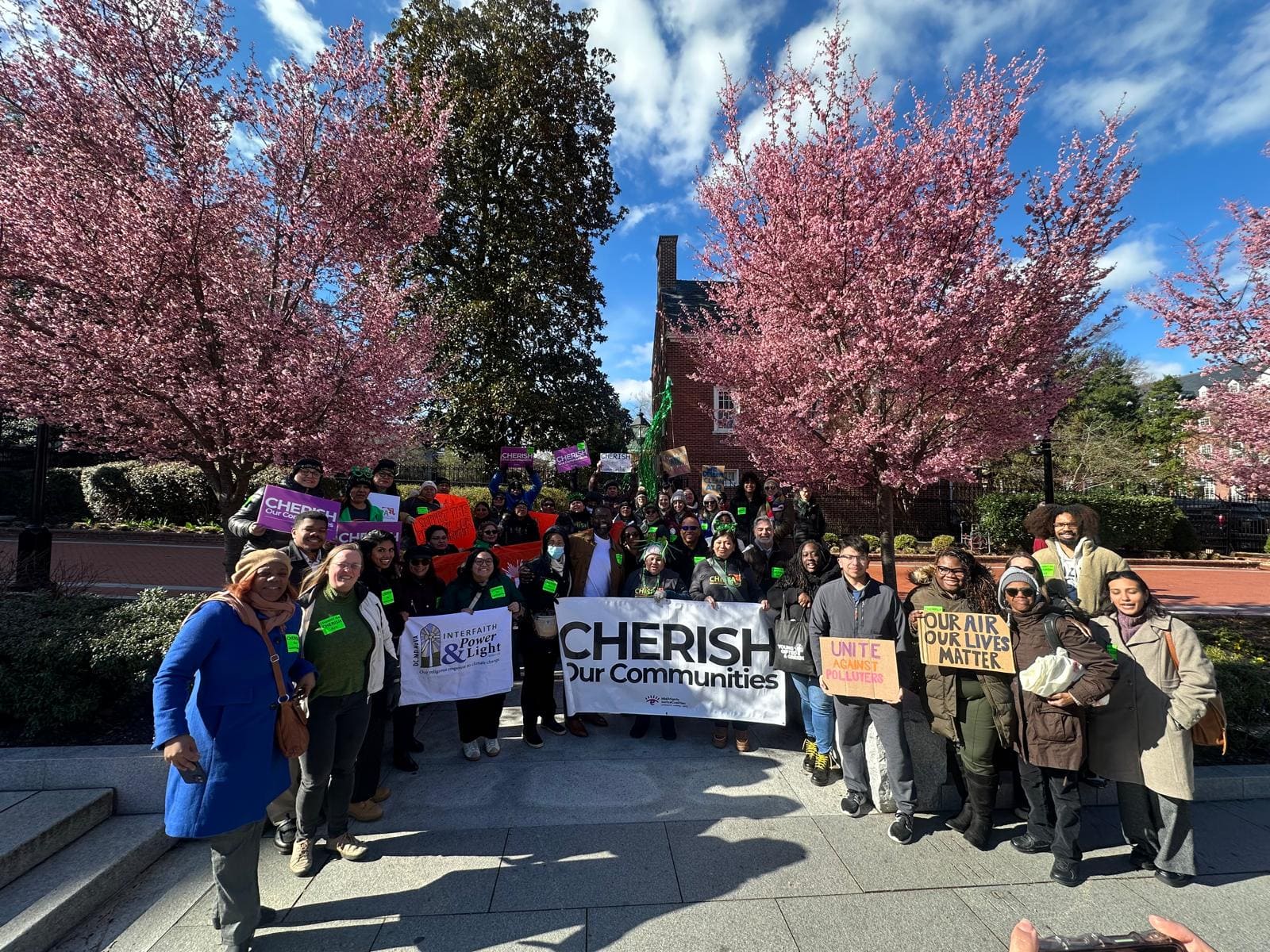
CAF supported CHERISH Our Communities Act, legislation aimed at strengthening Maryland’s environmental permitting system to better protect overburdened communities and ensure residents have a meaningful voice in environmental decision-making. The proposed bill would have required data-driven pollution assessments, limited new or expanding pollution sources in impacted communities, and held existing polluters accountable the for reducing harmful emissions. Although the legislation did not pass during the 2026 legislative session, CAF continues to support efforts that advance environmental justice and promote cleaner air, cleaner water, and a healthier environment for the communities we serve. Read more.
HOUSING
Real Property – Residential Foreclosures
MDE Bill: SB0353 / HB0523
- Status: In Process
- View more: Legislation – HB0523
CAF understands the devastating financial impact that a foreclosure causes to families and communities, so we are proud to advocate for these bills aimed to place restrictions for the initiation of a foreclosure due to a “Zombie mortgage”/ materially delinquent mortgage. Maryland bills SB0353 and HB0523 are companion consumer protection bills designed to protect homeowners from “zombie mortgages” and unfair, decades-old debt collection practices. Read more.
Virginia
ENVIROMENTAL HEALTH
Ban on Paraquat
Bill HB 1375
- Status: In Process
- View more: Legislation – HB1375
HB 1375 is legislation that would ban the use of paraquat in Virginia to protect public health and farming communities. Scientific research has linked paraquat exposure to serious health problems, including Parkinson’s disease and other chronic illnesses. With safer and more effective alternatives available, and more than 70 countries already banning its use, this bill represents a science-based step toward protecting families, farmworkers, and rural communities. Several entities and organizations have urged legislators to promote responsible environmental protections that prioritize health, safety, and sustainable agriculture. Read more.
HOUSING
Affordable housing; preservation, definitions, civil penalty
Bill HB 4
- Status: In Process
- View more: Legislation – HB4
This bill establishes a framework allowing local governments to preserve publicly supported affordable housing by exercising a right of first refusal before such properties are sold. If a locality adopts the ordinance, property owners must allow the locality or its qualified designee to purchase the property to maintain affordability for at least 15 years. Localities with populations over 3,500 that implement the ordinance must submit annual reports to the Department of Housing and Community Development. Read more.
Virginia Residential Landlord and Tenant Act; enforcement by localities
Bill HB 14
- Status: In Process
- View more: Legislation – HB14
This bill allows local governments to take legal action against landlords who fail to fix serious housing violations that threaten a tenant’s health or safety. If a landlord does not correct dangerous conditions after being notified, the locality may seek an injunction and damages on behalf of affected tenants. This authority applies only within the locality’s jurisdiction and after the landlord has been given reasonable notice and time to resolve the issue. Read more.